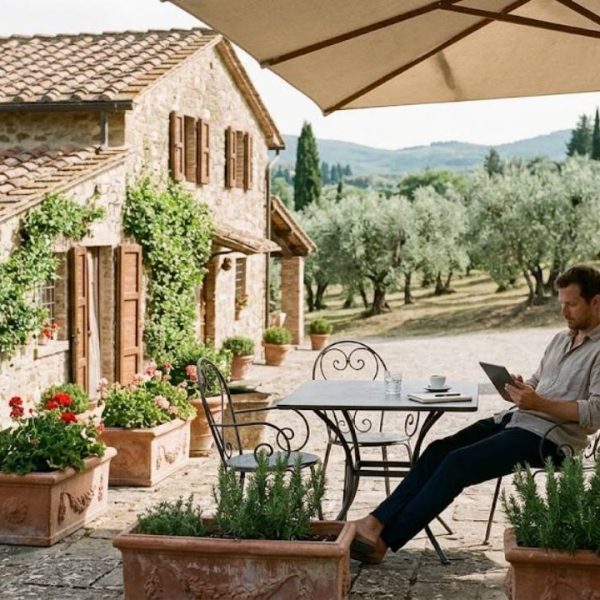
Guests who book a countryside stay often live far away, and many do not speak the local language. A website available only in one language quietly loses reservations every day. A simple translation platform online lets small hospitality businesses publish accurate versions of their pages without hiring a large team. This article shows how to approach it step by step.
Why language matters for rural stays
Travelers choosing a farm stay look for trust and detail. They want to understand room types, meals, rules and the surrounding area before paying. If the text is missing or poorly translated, they simply choose a competitor whose site feels clearer and more welcoming.
Decide which languages to offer
Check your booking history and visitor statistics to see where guests come from. Start with two or three languages that match real demand instead of translating into ten. You can always add more once the first versions are running smoothly.
Prepare the source text
Write clear, simple sentences in your own language. Avoid local slang and puns that do not travel well. Short paragraphs and consistent names for rooms and services make translation faster and reduce misunderstandings in every language version.
How a platform helps
A translation platform stores your text, offers suggestions from earlier work and keeps all language versions synchronized. When you change a price or a rule, only the new sentence needs translation. Owners without technical skills can manage the process through a simple browser interface.
Connecting to your website
Check how the platform connects to your site. Some tools export files for upload, while others link directly to the content system. Our guide on how to translate a website compares these approaches in practical detail.
Local flavor and cultural care
Food, landscape and traditions are central to rural hospitality. Keep names of dishes and places in the original language, and add a short explanation. A good translator will preserve the warmth of your voice while making sure foreign guests understand what to expect.
Tourism industry guidance
International bodies such as UN Tourism publish research on travel trends and sustainable development. Reading their reports helps you understand which markets are growing and what visitors expect from authentic countryside experiences.
Review before publishing
Ask a native speaker, perhaps a returning guest, to read the main pages. Small mistakes in prices, check in times or directions can cause real problems on arrival. A short review before launch protects both your reputation and your guests.
Booking engine and emails
Translating only the homepage leaves guests stranded at the booking step. Make sure the reservation form, confirmation messages and reminders also appear in the guest language. Consistent communication gives visitors confidence from first visit to departure.
Seasonal updates
Menus, events and activities change through the year. Keep a calendar of updates and send new text to translators together. A platform that remembers previous wording makes seasonal changes quick and keeps your style the same year after year.
Rural hospitality websites need the multilingual handling described above because their guests arrive from everywhere and book months ahead. The ownership side of those properties is just as international, and far less well served. Operators who bought a building abroad will have dealt with real estate document translation before they ever thought about their booking page, usually under more time pressure than they expected.
Photos and captions
Pictures sell a stay, but captions and alternative text also need translation. They help search engines understand your pages and assist visitors using screen readers. Include them in the project instead of leaving them in the original language.
Search visibility
People search in their own language. Translate page titles and descriptions with local search terms in mind, not just literal equivalents. A little research into how visitors describe your type of stay will improve the number of relevant visits.
Reviews and guest messages
Responding to reviews in the guest language shows care. Use your platform to prepare standard replies and reuse them with small changes. Prompt, polite answers in the right language often influence the next visitor reading the page.
Managing costs
Translate the most important pages first and expand slowly. Because the platform remembers approved sentences, later additions cost less. Compare the price of professional work with the value of even one extra booking per month.
Machine translation with care
Automatic suggestions can speed up the first draft, yet they sometimes confuse food names or directions. Always have a person check hospitality text, particularly legal notes and cancellation rules, before it appears on the public website.
Working with a freelancer
Many small businesses prefer one trusted translator for each language. Invite them into the platform, share your glossary of room and dish names and agree on turnaround times. A stable relationship leads to better, more consistent results.
Accessibility and clarity
Use simple navigation, clear fonts and readable contrast on every language version. Long words in some languages can break layouts, so test each page on a phone. A website that is easy to use inspires confidence in visitors.
Measuring results
Compare visits, inquiries and bookings from each language before and after launch. Even modest growth proves that translation was worthwhile. Use these numbers to decide where to invest next in your multilingual presence.
Final thoughts
Multilingual websites open the countryside to the whole world. With a clear plan, simple source text and a reliable platform, even a small guesthouse can welcome guests in their own language and turn curious visitors into happy, returning travelers.